
DOI:
https://doi.org/10.14483/23464712.23094Published:
2025-05-12Reseña: «Neuroeducación: solo se puede aprender de aquello que se ama»
Review: "Neuroeducation: learning can only be done from what you love"
Recensão: “Neuroeducação: só se aprende com o que se gosta”.
Keywords:
Neurociencia, Ciencia, educación, caricaturas, divulgación científica., Herramienta pedagógica, Aprendizaje (es).Downloads
References
Mora Teruel, F. (2014). Neuroeducación: solo se puede aprender de aquello que se ama (Primera ed.). Madrid: Alianza editorial.
How to Cite
APA
ACM
ACS
ABNT
Chicago
Harvard
IEEE
MLA
Turabian
Vancouver
Download Citation
Introducción
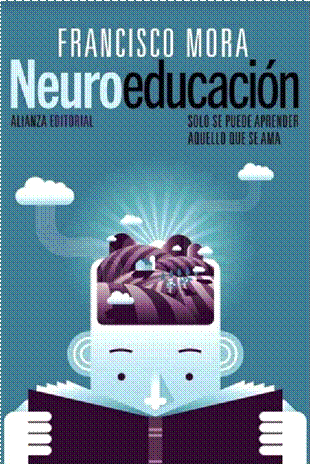
La presente reseña aborda el libro Neuroeducación: solo se puede aprender aquello que se ama, una obra escrita por el licenciado en medicina de la Universidad de la Granada y doctor en Neurociencias de la Universidad de Oxford, Francisco Mora. El catedrático ha escrito un gran número de artículos y libros profesionales, centrados en su mayoría a la divulgación de conocimientos del cerebro y la memoria. El caso particular no es una excepción, dado que su objetivo principal es ofrecer una visión de la enseñanza basada en estos conocimientos de neurociencia. Con una extensión de 183 páginas, el libro se organiza en 21 capítulos en su primera edición.
En el marco de esta recensión, se presenta una síntesis temática con el fin de ofrecer una perspectiva general de los conocimientos abordados en la obra y su relevancia en el ámbito educativo. De la misma manera, se analiza la manera en la cual el autor articula los conceptos neurocientíficos para fundamentar su propuesta pedagógica y qué implicaciones tienen estas ideas en la práctica docente.
Síntesis
En una primera instancia, el libro se encarga de introducir al lector en la teoría que cimienta su contenido:
la neuroeducación. Dentro de esta dinámica, se le atribuyen diferentes dimensiones de significado al tema disciplinar. De acuerdo con Mora, la neurociencia es un esfuerzo por proveer un respaldo científico al comportamiento humano, y, por ende, a los conocimientos en pedagogía. Así pues, con base en el creciente desarrollo de este campo, el libro la articula como el motor que motiva a una nueva visión de la enseñanza; esto es, como aquella que incentiva el inicio de una revolución en la manera en la que es concebido el aprendizaje, y en la cual el cerebro es posicionado como epicentro. El otro de los ejes, referente a la neuroeducación como una herramienta, respalda que estos conocimientos de los múltiples ingredientes cerebrales pueden ser de gran importancia para la creación de estrategias en favor de la enseñanza y la memoria, al igual que para la detección temprana de individuos con problemas neurológicos y psicológicos. En suma, el autor propone a este campo como una forma de enfatizar el papel del docente como agente de cambio, siendo que ahora por los avances en neurociencia, se conoce que tiene la capacidad de influir en el desarrollo cerebral de los estudiantes, en su física y química, o en su anatomía y fisiología.
Ahora bien, antes de adentrarse en este nuevo paradigma educativo, el libro presenta algunos principios cerebrales que facilitarán la comprensión del lector sobre el funcionamiento del cerebro y su relación con el aprendizaje. En este sentido, se mencionan algunas estructuras cerebrales clave, como la corteza prefrontal, el hipocampo y la amígdala, y se les adjudica su impacto en la conducta. De igual forma, se destaca una idea clave para el desarrollo teórico de la obra, y es que la sinapsis, la conexión entre neuronas y responsables de toda la actividad subyacente a cada proceso neurofisiológico, ocurre a lo largo de toda la materia cerebral en forma diversificada, pero organizada a modo de cortezas. Y que, a su vez, el desarrollo de cada una de estas áreas se da a diferentes ritmos de manera incesante a lo largo de todo el arco vital. Como consecuencia de lo anterior, se presentan los conceptos de neuroplasticidad y de ventanas plásticas, competentes al desarrollo no lineal ni rígido del cerebro. Más bien, se explora la analogía que asemeja dicho desarrollo a un sistema de puertas que se abren y se cierran en momentos específicos, en donde se permite el paso de información y donde la misma se consolida con el paso del tiempo.
En concordancia a la temática previa, otro de los tópicos abordados refiere a la forma en la que las diferentes etapas de la vida marcan el desarrollo cerebral y, por ende, las formas de adquirir conocimientos. El autor explica que dicho proceso de aprendizaje inicia ya en el útero, y que continúa tras el nacimiento y durante los primeros dos años de vida junto con una sobreproducción de circuitos eléctricos. Ahora por la neurociencia se conoce que esta etapa de aprendizaje se guía por procesos empíricos, por la «observación» del niño de su entorno y de la imitación de la conducta de sus padres. Es, para Mora, el tiempo en el que se debe experimentar el mundo, en el que se aprende de los colores, las formas, las texturas y los sonidos, y, por ende, constituye el momento en el que se fundamenta el desarrollo del pensamiento abstracto. Posterior a este periodo, el niño de entre tres a ocho años experimenta el traslado a la escolarización, y comienza a tener contacto con ideas más abstractas. El autor resalta la importancia de las instituciones educativas en este proceso, pues es aquí donde, por el ambiente social, se aprende a mantener el autocontrol y la atención focalizada. Dicho desarrollo continúa a lo largo de toda la academia, en donde el conocimiento aumenta de dificultad progresivamente.
De la misma manera, otro de los ejes centrales de la obra se basa en la secuencia de eventos que subyacen al aprendizaje. A nivel neurológico, el libro describe cómo este proceso inicia con la recepción de un estímulo —por ejemplo, lo dicho en una clase— por parte de las neuronas sensoriales distribuidas a lo largo todo el organismo. Tal estímulo llega después al sistema límbico, donde una etiqueta de placentero o desagradable se le es asignada; es decir, se experimenta una emoción, una respuesta subjetiva ante una información. Posteriormente, se pasa a las áreas de asociación de la corteza cerebral donde se construyen los procesos mentales, de razón y pensamiento. Con base en lo expuesto, el autor concluye que, cuando el estímulo llega a la parte donde se racionaliza, ya viene impregnado de una emoción. Entonces, se dice que el binomio cogniciónemoción es indisoluble; que no existe la razón sin emoción. Precisamente, este mecanismo fue el agente que permitió al humano primigenio preservarse, mediante la identificación de estímulos positivos o negativos; huyendo del peligro y acercándose a lo que es beneficioso para su supervivencia. La conducta, explica Mora, está dictaminada por lo que se siente.
Todavía cabe por señalar dos aspectos abordados en la obra de suma importancia en el proceso de aprendizaje: la curiosidad y la atención, ambos estrechamente ligados a la emoción. En particular, se presenta que las emociones, además de teñir experiencias de manera negativa, son el motor que impulsa la curiosidad. Así, el autor ilustra al mamífero como un animal naturalmente curioso, pues en su ejercicio de encontrar ventajas para su supervivencia, se ve recompensado biológicamente al investigar y rebuscar en su entorno. En consecuencia, se muestra al ser humano con preferencia de lo distinto a lo monótono, focalizando su «atención» en lo singular. En este sentido, la atención es descrita como el proceso que dispone la selección de un estímulo entre varios, y es vista, en un sentido analógico, como un foco de luz que se dirige hacia el objeto de interés específico. Y es que, tal como un foco, se explica que este se enciende después de «chispazo», es decir, después de ese encendido emocional que produce la curiosidad. En el libro son descritos ambos, curiosidad y atención, como la dupla que hace posible que el individuo se vea intrigado por lo que le rodea, y que sea capaz de ser consciente y de distinguir del ambiente aquello por lo que se siente «algo». Esto es, sin curiosidad ni atención, el aprendizaje es imposible.
Igualmente, cabe destacar que, a lo largo de sus páginas, el libro es preciso en señalar al aprendizaje como núcleo temático. Desde un primer momento, se resalta cómo, incluso durante la gestación, ya se es sujeto de la adquisición de experiencias que sientan las bases para el desarrollo cognitivo futuro. El aprendizaje, es tomado como la capacidad principal que le permite a todo organismo sobrevivir. ¡Caracoles!, ya conocen y actúan según los estímulos que le hacen bien —como la comida—, y aquellos que le suponen daños. En términos de neurociencia, el acto de aprender se entiende como el cambio del cableado sináptico, sea consciente o inconsciente. Lo anterior es, el proceso por el que se asocian, distinguen o se clasifican las cosas. Y es que, todo ser humano es expuesto en la obra como máquina de aprendizaje incesante, que cambia, corrige y modifica su cerebro, y que también refuerza dichos conocimientos por medio de la repetición y la práctica. Dicho proceso por el cual los aprendizajes son consolidados a través del tiempo, y también por el que se es capaz de evocarlos de manera atemporal, es la memoria. En la narrativa propuesta se presenta el proceso de consolidación de los recuerdos, al igual que los tipos de memoria y su papel dentro del aprendizaje, y en la construcción del conocimiento.
Poco antes de la parte final del libro, se abordan los factores que influyen en el proceso del aprendizaje, explorando, consigo, algunas técnicas para aprender mejor y los conceptos de rendimiento mental, el sueño y la manera mediante la cual aspectos como la arquitectura pueden afectar en dicho proceso. En específico, se resalta el papel del error y la repetición en el ejercicio de la consolidación de la memoria, y cómo la reducción de las horas de descanso puede producir afectaciones no solo en la adquisición de conocimientos, sino también cambios en la conducta. De igual manera, se presentan otros componentes —como poseer alguna dificultad de aprendizaje, la iluminación o el ambiente en sí mismo— que repercuten activamente en el proceso educativo, al igual que se proponen métodos por los que se pueden potenciar, o por lo menos, no disminuir dicho rendimiento.
Finalmente, el autor se dedica a profundizar en las posibles aplicaciones que conllevan estos conocimientos del aprendizaje a nivel neurocientífico. Para tal fin, analiza el proceso de adquisición y construcción de conocimiento durante la etapa universitaria, así como el pensamiento crítico y, sobre todo, el perfil del educador basado en la neurociencia. Y es que, dada la naturaleza del cerebro, Mora señala que todo proceso de enseñanza–aprendizaje ha de darse a través del tamiz de la emoción. Por tanto, se resalta la importancia de que todo maestro sea consciente de este hecho, con el fin no solo de que produzca mejores resultados en cuanto a la efectividad de sus enseñanzas, sino también para que motive al estudiante en su misión de seguir aprendiendo. Que el paso por la educación logre más que un universitario reciba su título, y que el niño siga sintiéndose curioso. Dado que se destaca esta reciente necesidad de aprovechar la neurociencia en la educación, surge la profesión de «neuroeducador», un docente que, a través de sólidos conocimientos médicos y psicológicos, sea capaz de captar la atención del estudiante, mostrarse empático y motivarlo en este proceso de «transformación cerebral».
En definitiva, esta es una obra que merece ser leída por todo interesado en la neurología y en el desarrollo cognitivo, dado que presenta una nueva perspectiva del aprendizaje por medio de un lenguaje sencillo y con la utilización de experimentos científicos. El ser consciente de cómo se dan los procesos cerebrales durante la adquisición de conocimientos, al igual que su naturaleza emocional, es de gran importancia no solo para la comprensión y prevención de factores que afectan a la educación, sino también para la creación de estrategias. Las propuestas presentadas en este libro pueden serle útil incluso a quien no pretende ejercer la enseñanza, dado que estos saberes proveen un marco con el cual se logra entender la propia conducta. Sin dudarlo, la neurociencia es un campo en desarrollo, que brinda una concientización respecto a la existencia de un respaldo científico de los procesos subyacentes al aprendizaje. Cuanto más de su difusión y aplicación, será mayor la posibilidad de transformar la educación en un proceso dinámico, fundamentado y adaptable, más efectivo y significativo para todos los agentes involucrados.
License
Copyright (c) 2025 Isabella María Ucrós Muñoz

This work is licensed under a Creative Commons Attribution-NonCommercial-ShareAlike 4.0 International License.
Gondola, Ens Aprend Cienc. is an open-access publication, free of charge for authors and readers. The publication, consultation or download of the contents of the magazine does not generate any cost for the authors or the readers, since the Francisco José de Caldas District University assumes the expenses related to edition, management and publication. The peer evaluators do not receive any economic retribution for their valuable contribution. The work of all the actors mentioned above is understood as a contribution to the strengthening and growth of the research community in the field of Science Education.
As of December 1, 2018 the contents of the journal are published under the terms of the Creative Commons License Attribution-Noncommercial- ShareAlike 4.0 International (CC-BY-NC-SA 4.0), under which others may distribute, remix, retouch, and create from the work in a non-commercial way, give credit and license their new creations under the same conditions.
The copyright holders are the authors and the journal Gondola, Ens Aprend Cienc. The holders retain all rights without restrictions, respecting the terms of the license in terms of consultation, downloading and distribution of the material.
When the work or any of its elements is in the public domain according to the applicable law in force, this situation will not be affected by the license.
Likewise, we encourage authors to deposit their contributions in other institutional and thematic repositories, with the certainty that culture and knowledge is a good of all and for all.






.jpg)